Every Day Fills Their Cup: Why I Started Little Hands Big Skills
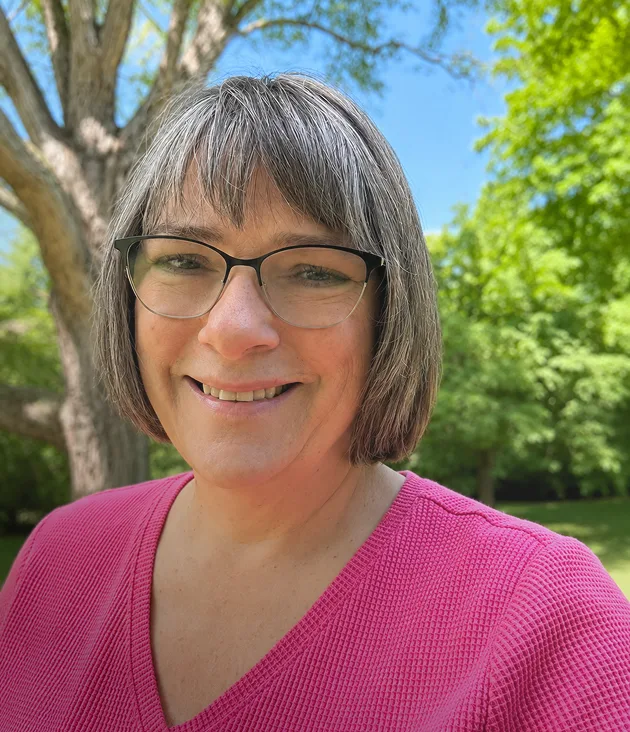
I was a late birthday in school. Nearly a year younger than most of my classmates, and at that age a year is everything. I’d skipped kindergarten, which was common at the time, and I stepped into a world where everyone around me seemed to already know things I hadn’t learned yet. I wasn’t behind intellectually. I was behind in the skills that come from doing: the small muscle work, the hand and eye moving together, the quiet confidence that builds when a little hand has been given the chance to practice. I felt it. Children always feel it, even when they can’t name it. I carried that feeling with me into adulthood, and when PopPop and I had daughters of our own, we made a decision together. Our children would always have access to the things that grow skills in little ones.
The Hallway Full of Crayons
We turned a hallway in our home into a world of creativity. Paper, crayons, paints, and supplies of every kind were within reach, available always. We didn’t worry about the mess. We encouraged the mess. Creativity doesn’t stay inside the lines, and neither did we. We didn’t buy talking toys. We chose wooden toys, things that required imagination to bring to life, things that asked little hands to do the work instead of pressing a button and watching something happen. What we built in that hallway was more than art. It was hand-eye coordination, fine motor skills, focus, and the kind of creative confidence that comes when a child is trusted to make something. Our daughters thrived in that environment. They grew up knowing that making things was something they could do, and do well.
The Circle Coming Around
Our daughter Laura is now raising her own little ones, our granddaughters OG and NewG, and we watch with so much joy as she creates a similar world for them. It’s the same philosophy, the same belief that children learn through doing, through touching, through making. NewG is still very new to this world. OG is already showing us every day what happens when a child is given the right tools and the space to use them. Children’s development comes from doing, hands on, always. Whether it’s cutting or painting, drawing or reading, children learn from what’s put in front of them. What we offer them shapes what they become capable of.
What PopPop and Laura Teach Us Every Day
Here’s something that gives the work behind Little Hands Big Skills a weight beyond just a grandmother wanting good things for her grandchildren. Both PopPop and our daughter Laura are teachers. They work every day with children who have special needs, including autism, and emotional and behavioral challenges. The conversations around our table are filled with the language of child development, learning pathways, and what it actually takes to build skills in young minds. Laura has a phrase I love for the children she works with. She calls them Neurospicy. It’s warm and real, and it captures something true: every child’s brain is wired differently, and the children who need the most intentional skill-building opportunities are often the ones who receive the fewest. Repetition matters. Consistent practice matters. Giving little hands something meaningful to do every single day matters enormously, and not just for neurospicy kiddos. It matters for all of them.
Why Little Hands Big Skills Exists
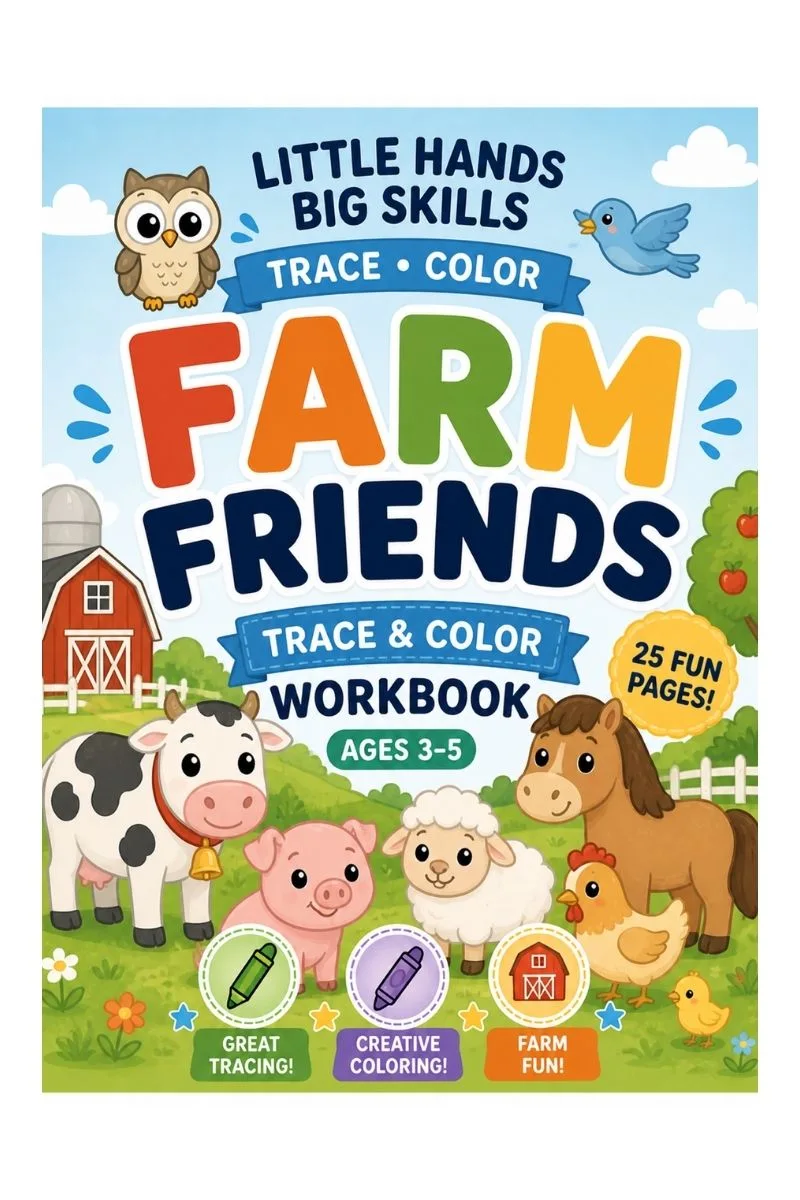
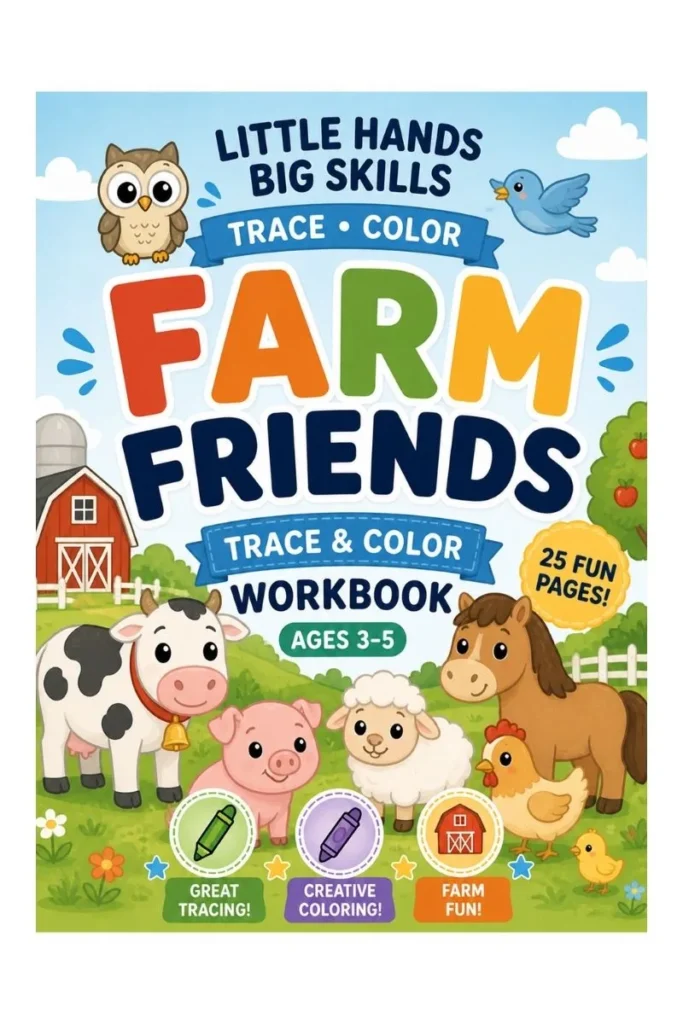
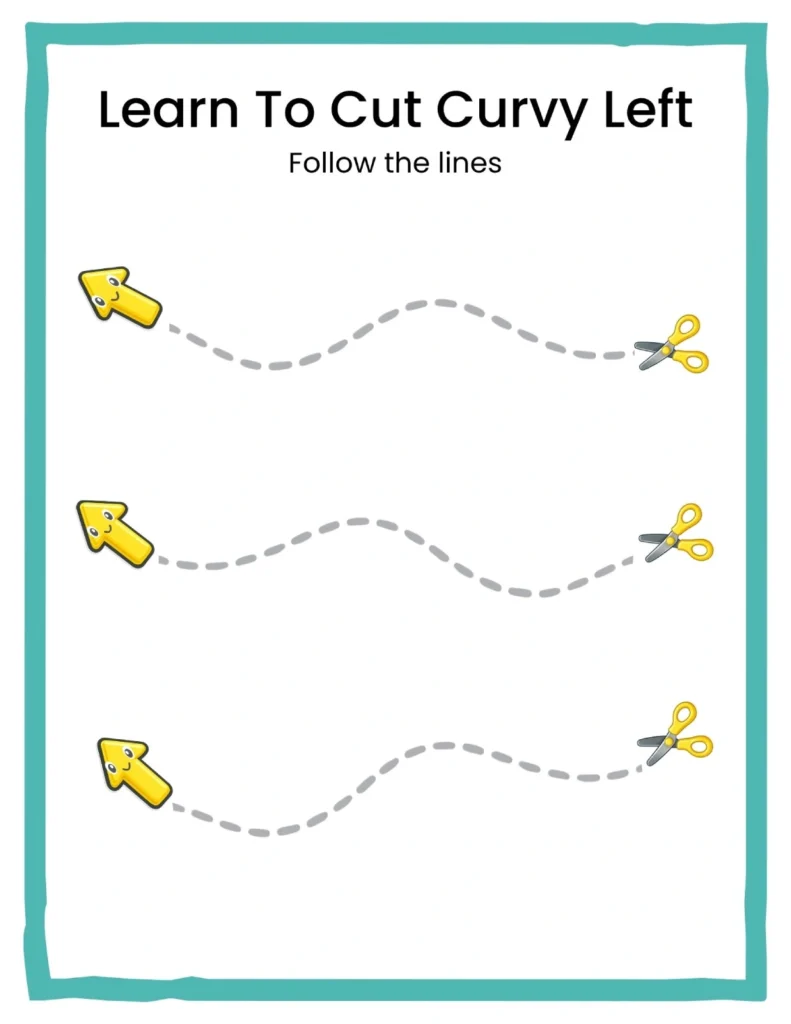
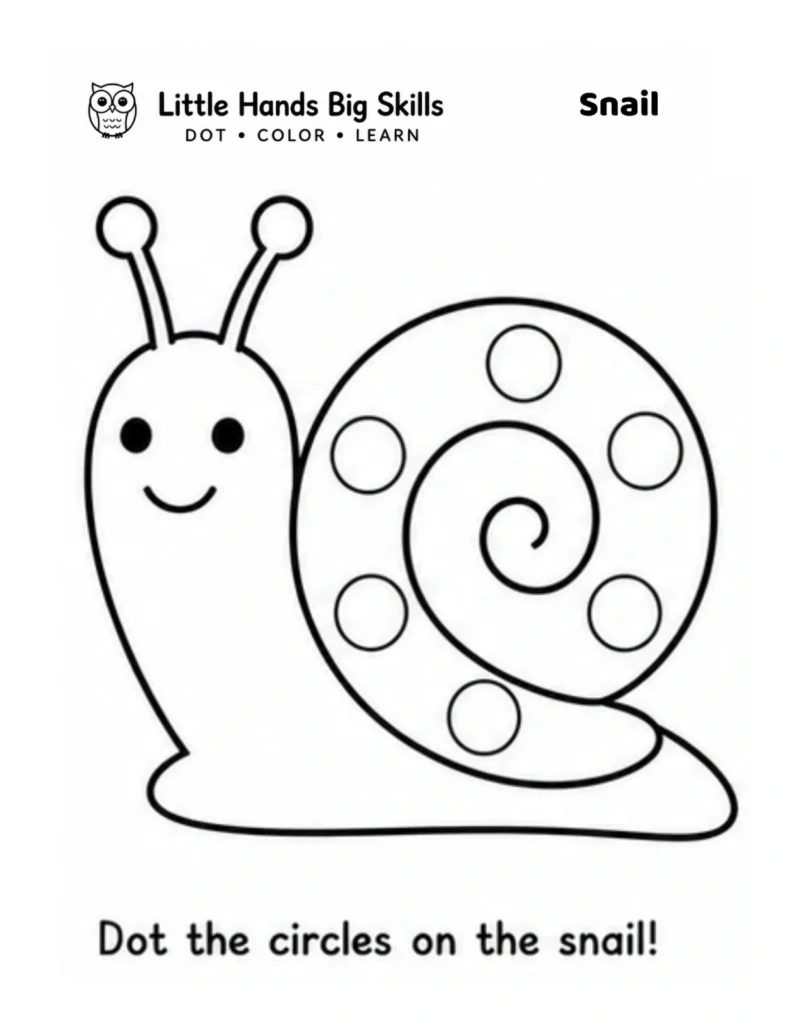
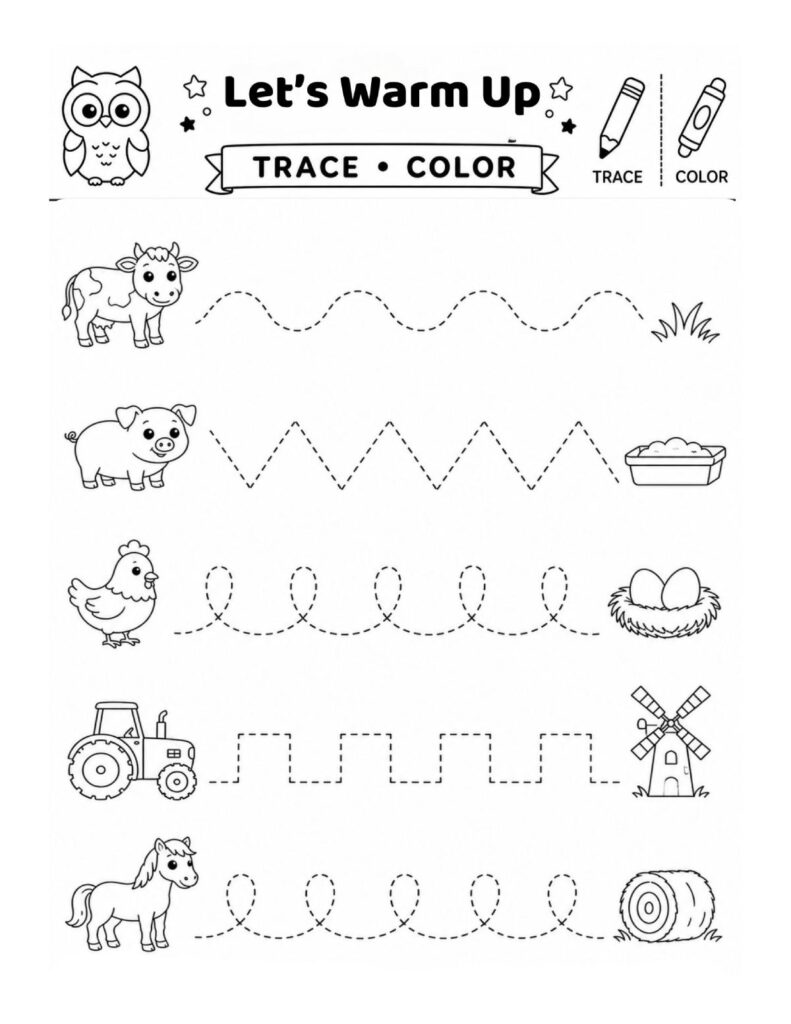
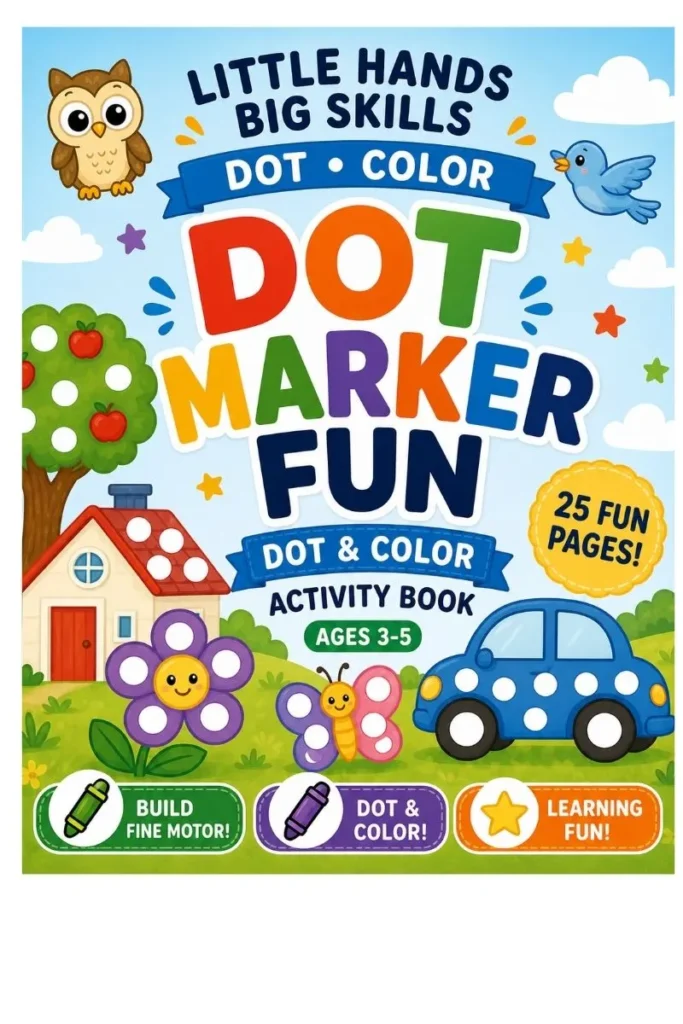
I started this series because of everything above. Because I know what it feels like to be the child who needed more time with the foundational skills. Because I watched what daily creative practice did for our daughters. Because I sit at a table with two educators who remind me constantly that the early years aren’t a waiting room for real learning. They are real learning. Little Hands Big Skills isn’t a rainy day activity. It’s a 365-day practice. The trace and color workbooks in this series are designed to build fine motor skills, hand strength, focus, and pattern recognition through repetition and play. Each time a little hand picks up a crayon and follows a dotted line, a pathway is being trained. Each completed page is a small victory that builds confidence for the next one. Filling their cup a little more each day is my greatest joy, and I built this series to help you do the same.
Mimi’s Tip
Keep the books somewhere your little one can see them and reach for them independently. When a child chooses the activity themselves, the engagement is deeper and the learning sticks better. Accessibility is part of the practice.
Explore the full Little Hands Big Skills series in Wise Owl Essentials.